
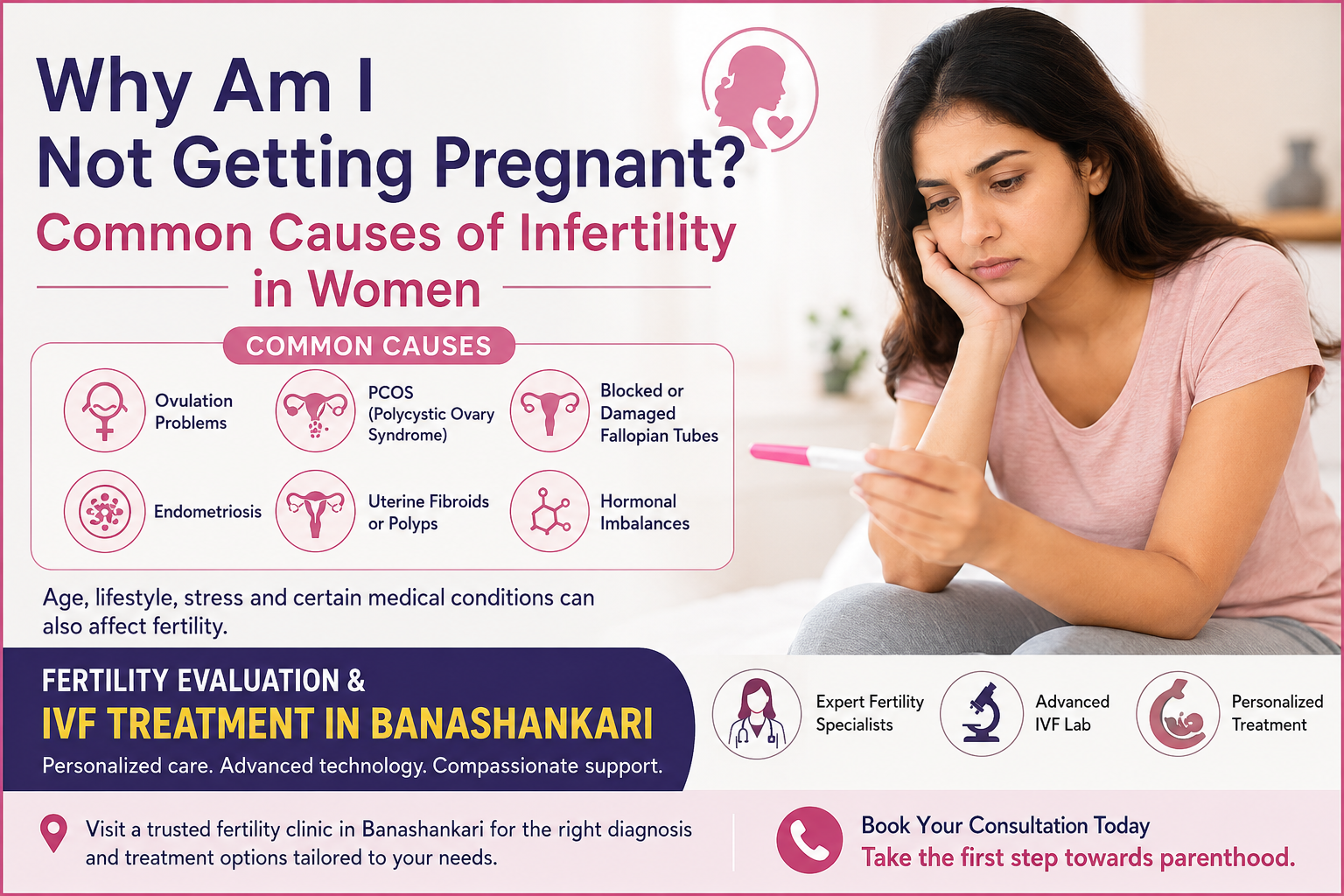
Polycystic ovary syndrome (PCOS) is one of the common hormonal conditions that can affect a woman’s menstrual cycle, ovulation and fertility. If you have been diagnosed with PCOS and are planning a pregnancy, you may wonder whether you can conceive naturally or whether you will need fertility treatment.
The good news is that many women with PCOS can get pregnant naturally. PCOS does not automatically mean infertility. However, irregular or absent ovulation can make conception more difficult for some women and may increase the time it takes to become pregnant.
Understanding how PCOS affects ovulation, identifying the factors that may influence fertility and seeking appropriate medical guidance can help improve your chances of a healthy pregnancy.
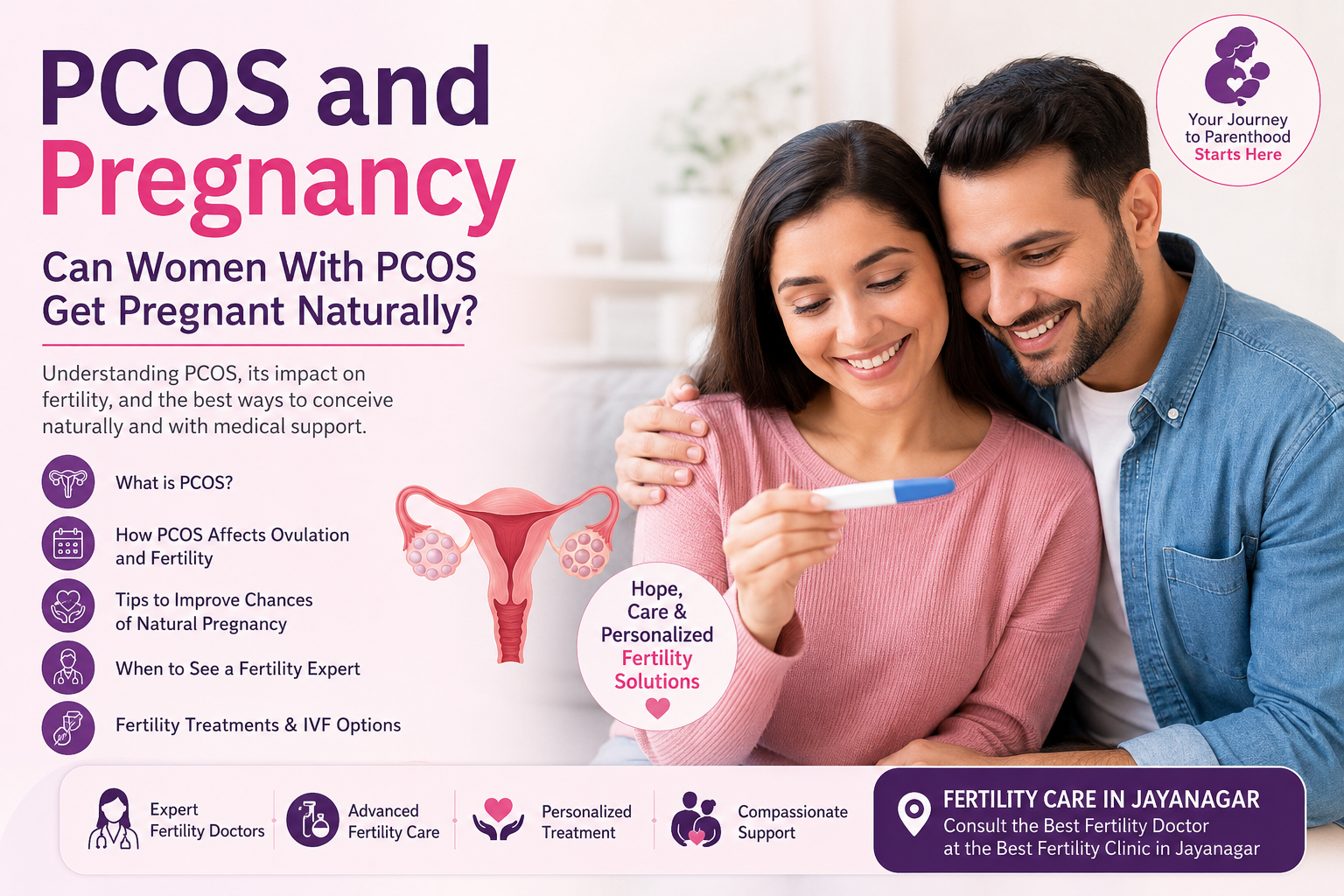
Can Women With PCOS Get Pregnant Naturally?
Yes, women with PCOS can get pregnant naturally. The main challenge is that PCOS may cause irregular or unpredictable ovulation. Ovulation is the release of an egg from the ovary and is essential for natural conception.
Some women with PCOS ovulate regularly and may become pregnant without fertility treatment. Others may ovulate less frequently, making it harder to identify their fertile days.
The possibility of pregnancy depends on several factors, including:
- How frequently you ovulate
- Your age
- Body weight and metabolic health
- Sperm health of your partner
- Fallopian tube health
- Other reproductive or hormonal conditions
- Duration of trying to conceive
Therefore, a diagnosis of PCOS should not be considered a diagnosis of infertility.
How Does PCOS Affect Fertility?
PCOS can affect fertility mainly by interfering with normal ovulation. Hormonal changes associated with PCOS may prevent the regular development and release of an egg.
Women with PCOS may experience:
- Irregular menstrual periods
- Long menstrual cycles
- Missed periods
- Difficulty predicting ovulation
- Increased androgen levels
- Acne or excess facial/body hair
- Weight gain or difficulty maintaining weight
When ovulation happens less frequently, there are fewer opportunities for sperm and egg to meet during the fertile window.
However, PCOS affects every woman differently. Some women may have relatively regular cycles and ovulate, while others may experience significant ovulatory problems.
PCOS and Ovulation: Why It Matters When Trying to Conceive
Regular ovulation is an important part of getting pregnant. During ovulation, a mature egg is released from an ovary. If sperm fertilises the egg during the appropriate period, pregnancy may occur.
With PCOS, hormonal imbalance can interfere with the development of ovarian follicles and the release of an egg. This is why some women with PCOS may have difficulty determining when they are most fertile.
Tracking menstrual cycles, discussing ovulation with a doctor and undergoing appropriate evaluation can help determine whether ovulation is occurring.
Ovulation predictor kits may be useful for some women, but PCOS can sometimes make these tests difficult to interpret because hormonal patterns may be different.
How to Increase Your Chances of Getting Pregnant With PCOS
If you are trying to conceive, several lifestyle and medical approaches may help improve reproductive health.
1. Maintain a Healthy Weight
For women who are overweight, even modest weight changes may improve metabolic health and support more regular ovulation. However, weight management should be personalised rather than focused on extreme dieting.
A balanced diet, regular physical activity and sustainable lifestyle habits are generally more helpful than crash diets.
2. Follow a Balanced Diet
There is no single diet that cures PCOS, but a nutritious eating pattern can support overall health.
Include:
- Vegetables and fruits
- Whole grains
- Protein-rich foods
- Healthy fats
- Adequate fibre
- Nutrient-rich foods with minimal processing
Limiting excessive intake of highly processed foods and added sugars may also support metabolic health.
3. Exercise Regularly
Regular physical activity can support cardiovascular and metabolic health and may help with weight management.
Activities such as walking, strength training, cycling, swimming or yoga can be incorporated according to your fitness level and medical advice.
4. Track Your Menstrual Cycle
Tracking your periods can help you and your doctor understand your cycle pattern. If your periods are irregular, it may be difficult to identify ovulation based only on calendar calculations.
Your doctor may recommend additional methods to assess ovulation if required.
5. Avoid Smoking and Limit Alcohol
Smoking can negatively affect reproductive health. If you are planning pregnancy, avoiding tobacco is an important step.
Alcohol intake should also be discussed with your healthcare provider when trying to conceive and avoided during pregnancy.
6. Take Prenatal Supplements as Recommended
Women planning pregnancy are commonly advised to take folic acid before conception to reduce the risk of certain birth defects. Your doctor can recommend the appropriate dose based on your individual needs.
Do not start multiple supplements without professional advice, particularly if you have other medical conditions or take medications.
When Should You See a Fertility Doctor for PCOS?
You do not necessarily need to wait for a long period if you have known PCOS and are concerned about ovulation or fertility.
Consider speaking with a Best Fertility Doctor if:
- Your periods are very irregular or absent
- You are not sure whether you are ovulating
- You have been trying to conceive without success
- You have other known reproductive health concerns
- You have a history of miscarriage
- You are concerned about your fertility because of age
- You or your partner have other factors that may affect fertility
A fertility evaluation can identify whether the difficulty is related to ovulation or whether other factors may also be involved.
How Is PCOS-Related Infertility Evaluated?
A fertility evaluation is not limited to checking PCOS. A doctor may consider both partners because pregnancy depends on several reproductive factors.
Depending on your situation, evaluation may include:
- Medical and menstrual history
- Physical examination
- Blood tests for relevant hormones
- Ultrasound examination
- Assessment of ovulation
- Evaluation of the uterus and fallopian tubes when appropriate
- Semen analysis for the male partner
The purpose is to identify the underlying reason for difficulty conceiving and select an appropriate treatment plan.
What Treatments Are Available for PCOS-Related Fertility Problems?
Treatment depends on whether you are ovulating, your age, how long you have been trying to conceive and whether other fertility factors are present.
For some women, improving lifestyle factors and addressing underlying metabolic concerns may help restore more regular ovulation.
When ovulation does not occur regularly, a fertility specialist may recommend medicines that stimulate ovulation. These treatments are prescribed and monitored according to individual circumstances.
If ovulation medicines are not successful or if additional fertility factors are present, assisted reproductive treatments may be considered.
When Is IVF Treatment Considered for PCOS?
IVF Treatment is not automatically required for every woman with PCOS.
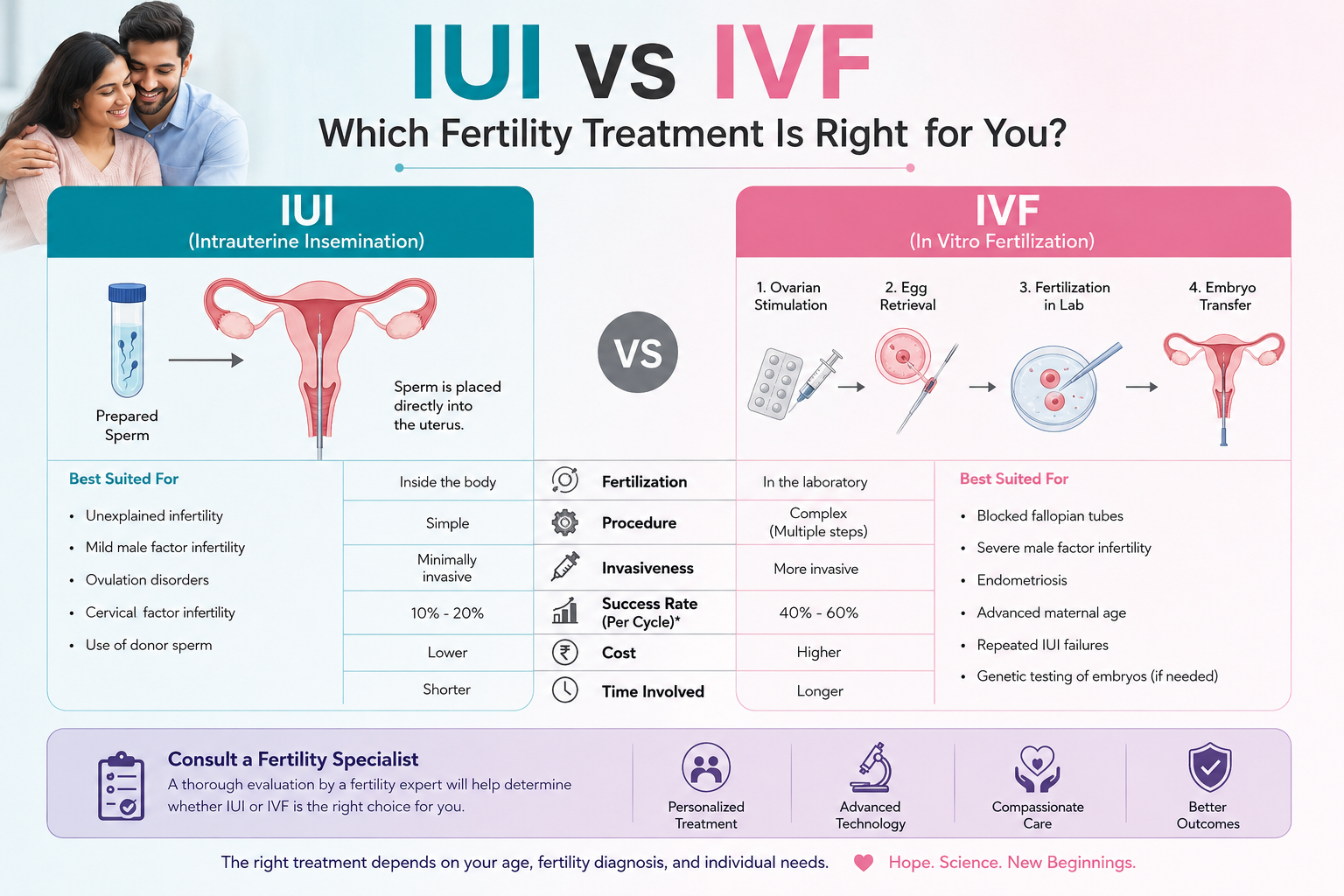
In vitro fertilisation may be considered when other fertility treatments have not been successful or when there are additional factors affecting fertility. These may include certain tubal problems, male-factor infertility, advanced maternal age or other reproductive concerns.
During IVF, eggs are collected from the ovaries and fertilised with sperm in a laboratory. An embryo is then transferred into the uterus.
Women with PCOS undergoing IVF require careful medical monitoring because they may have a higher risk of developing ovarian hyperstimulation syndrome (OHSS). Modern fertility treatment protocols can be adjusted to reduce this risk.
A qualified Best IVF Specialist can determine whether IVF is appropriate based on your individual fertility assessment.
Does PCOS Increase Pregnancy Risks?
PCOS does not mean that pregnancy will necessarily be complicated. Many women with PCOS have healthy pregnancies. However, some pregnancy-related risks may be higher in women with PCOS, particularly when metabolic issues are present.
Depending on individual circumstances, doctors may monitor for conditions such as:
- Gestational diabetes
- High blood pressure during pregnancy
- Preeclampsia
- Excessive weight gain
- Other pregnancy complications
Good preconception care and regular antenatal monitoring can help identify and manage potential problems early.
Can PCOS Be Cured Before Pregnancy?
PCOS is generally considered a long-term hormonal and metabolic condition rather than something that has a simple permanent cure.
However, its symptoms and effects on fertility can often be managed effectively.
Treatment may focus on:
- Improving ovulation
- Managing weight when appropriate
- Supporting metabolic health
- Managing menstrual irregularity
- Addressing excess androgen symptoms
- Supporting fertility when pregnancy is desired
The treatment approach changes depending on whether you are currently trying to conceive, preventing pregnancy or managing PCOS symptoms.
When Should You Consider an IVF Centre?
Not every woman with PCOS needs IVF. However, if you have been trying to conceive and are experiencing persistent difficulty, consulting a fertility specialist can help you understand your options.
A Best IVF Centre should provide comprehensive fertility evaluation, appropriate counselling, experienced specialists and treatment plans based on individual needs rather than recommending IVF automatically.
If you are looking for a Best Fertility Clinic in Jayanagar, consider choosing a centre where fertility evaluation and treatment are provided under appropriate specialist supervision.
Frequently Asked Questions
1. Can women with PCOS get pregnant naturally?
Yes. Many women with PCOS become pregnant naturally. The main challenge for some women is irregular ovulation, which can reduce the number of opportunities for conception.
2. Does PCOS mean I am infertile?
No. PCOS does not automatically mean infertility. It can make conception more difficult when ovulation is irregular, but several treatment options are available if pregnancy does not occur naturally.
3. How can I know if I am ovulating with PCOS?
Menstrual tracking can provide some information, but irregular cycles can make ovulation difficult to predict. Your doctor may use hormonal testing, ultrasound or other methods to assess ovulation.
4. Do all women with PCOS need IVF?
No. IVF is not required for everyone with PCOS. Some women conceive naturally, while others may benefit from lifestyle changes or ovulation-induction treatment. IVF may be considered when appropriate based on the overall fertility evaluation.
5. When should I consult a fertility doctor?
If your periods are irregular, you are not sure whether you ovulate, or you have been trying to conceive without success, consulting a fertility specialist can help identify the cause and discuss suitable options.
6. Can lifestyle changes improve fertility with PCOS?
Healthy lifestyle habits can support metabolic and reproductive health. Maintaining a healthy weight when appropriate, eating a balanced diet and exercising regularly may help some women achieve more regular ovulation.
Conclusion
PCOS and pregnancy are absolutely possible, and many women with PCOS can conceive naturally. The condition mainly affects fertility by causing irregular or absent ovulation, but this does not mean that pregnancy is impossible.
If you are trying to conceive with PCOS, focus on healthy lifestyle habits, understand your menstrual cycle and seek professional advice if ovulation is irregular or pregnancy is taking longer than expected.
If natural conception does not occur, several fertility treatments are available. Depending on your individual situation, your doctor may recommend ovulation treatment, other assisted reproductive options or IVF Treatment.
Women looking for a Best Fertility Clinic in Jayanagar can consider consulting an experienced fertility specialist for a personalised evaluation and treatment plan. The right approach should always be based on your age, reproductive health, ovulation pattern and the fertility factors affecting both partners.
