
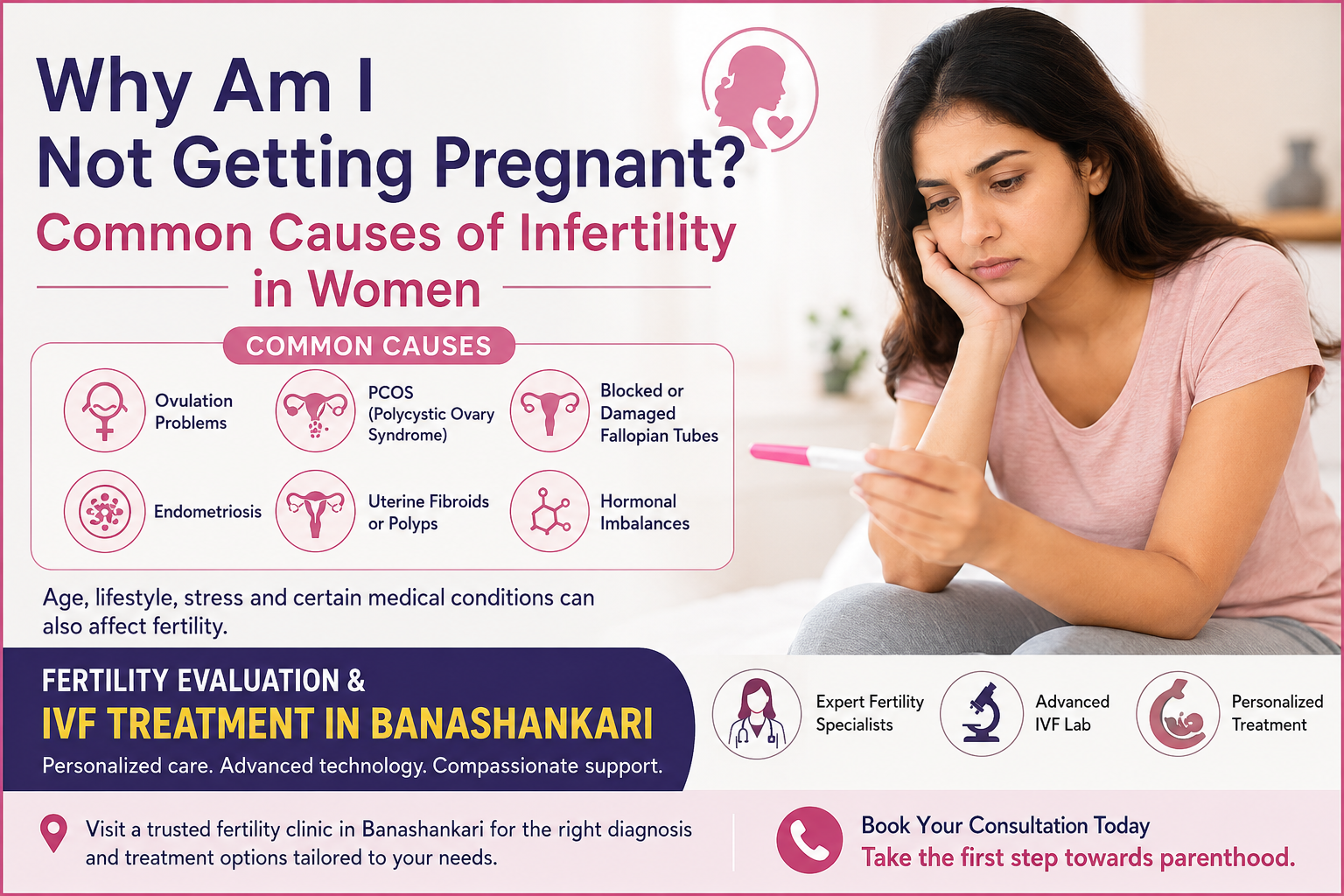
Endometriosis is a common gynecological condition that can affect women during their reproductive years. It occurs when tissue similar to the lining of the uterus grows outside the uterus, commonly around the ovaries, fallopian tubes, pelvic lining and other nearby organs. Although some women with endometriosis may have mild or no symptoms, others experience pelvic pain, painful periods, pain during intercourse and difficulty becoming pregnant.
One of the important concerns associated with endometriosis is its possible impact on fertility. Endometriosis does not mean that pregnancy is impossible. Many women with the condition conceive naturally, while others may benefit from fertility treatments such as medication, surgery, intrauterine insemination or IVF.
If you have been trying to conceive and have symptoms of endometriosis, consulting a fertility specialist can help identify the possible causes of infertility and determine an appropriate treatment plan.
What Is Endometriosis?
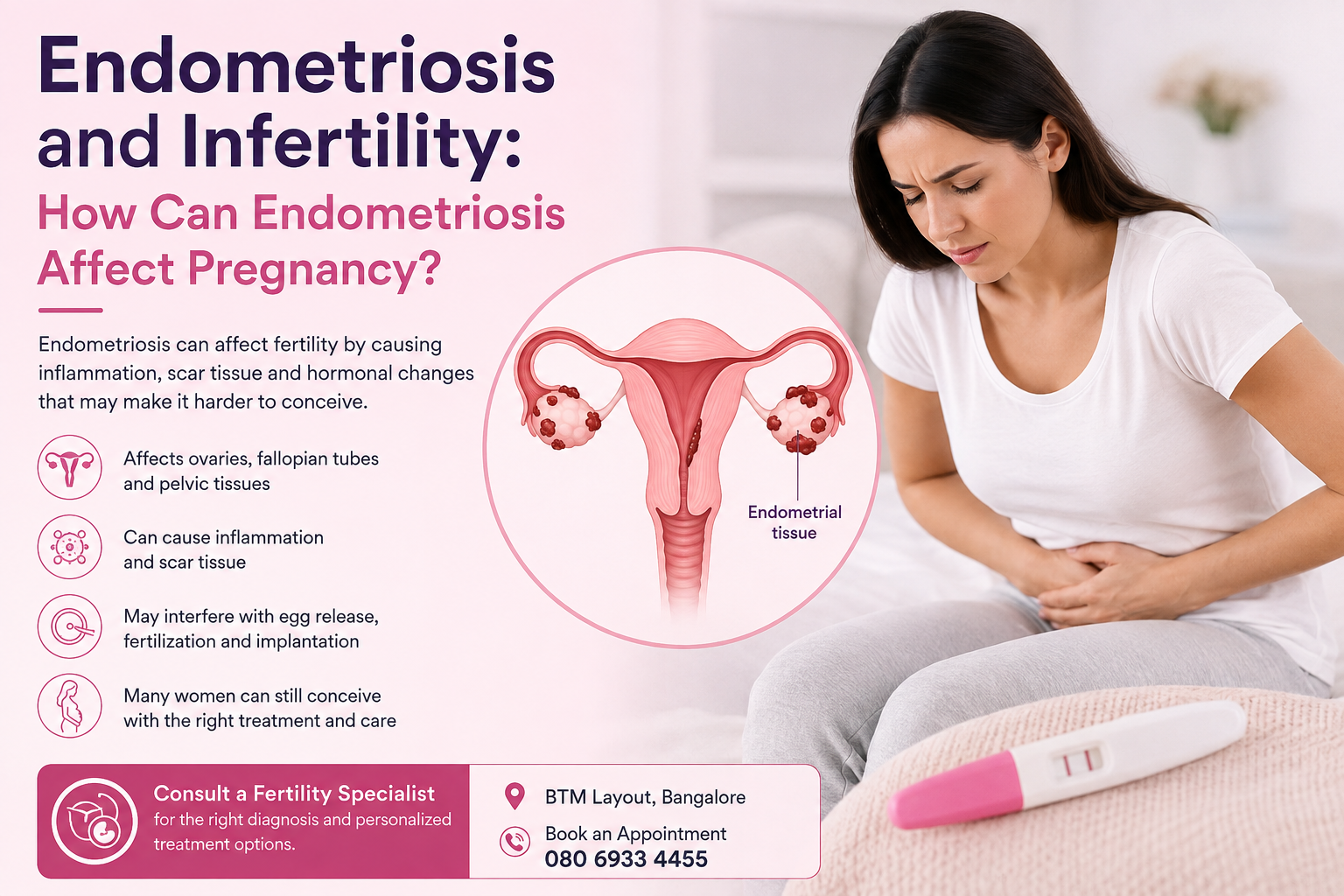
Endometriosis is a condition in which tissue similar to the endometrium, the lining of the uterus, grows outside the uterus. This tissue can respond to hormonal changes during the menstrual cycle, causing inflammation, irritation and sometimes the formation of scar tissue or adhesions.
Endometriosis commonly affects the ovaries, fallopian tubes and pelvic tissues. In some cases, it can also affect other areas of the body.
Common symptoms include:
- Painful menstrual periods
- Chronic pelvic pain
- Pain during or after sexual intercourse
- Pain during bowel movements or urination, particularly during periods
- Heavy or irregular menstrual bleeding
- Bloating and fatigue
- Difficulty becoming pregnant
The severity of pain does not always correspond to the extent of endometriosis. Some women with extensive disease may have relatively few symptoms, while others with less extensive disease may experience significant pain.
How Can Endometriosis Affect Fertility?
Endometriosis and infertility can be associated in several ways. The condition may affect the reproductive system through inflammation, changes around the ovaries and fallopian tubes, adhesions and other factors.
1. Inflammation in the Pelvis
Endometriosis can cause chronic inflammation in the pelvic region. Inflammatory changes may affect the environment surrounding the egg, sperm and reproductive organs.
This may interfere with some of the normal processes involved in fertilization and implantation.
2. Scar Tissue and Adhesions
Endometriosis can lead to adhesions, which are bands of scar tissue that may cause pelvic organs to stick together.
When adhesions affect the fallopian tubes or ovaries, they can interfere with the normal movement of an egg through the reproductive tract. This may make natural conception more difficult.
3. Ovarian Endometriomas
Endometriosis can sometimes cause cysts on the ovaries called endometriomas. These cysts may affect ovarian tissue and, depending on their size and location, may be associated with reduced ovarian reserve or difficulty with ovulation.
Treatment decisions need to be individualized because surgery involving the ovaries can also affect ovarian reserve in some circumstances.
4. Changes Around the Fallopian Tubes
Healthy and functioning fallopian tubes are important for natural conception because they provide the environment where sperm and egg can meet.
Endometriosis-related inflammation or adhesions may affect the structure or function of the tubes, reducing the chances of natural fertilization.
5. Possible Effects on Implantation
Research suggests that endometriosis may also be associated with changes in the inflammatory and hormonal environment of the uterus and pelvis. These changes may influence implantation in some women.
However, having endometriosis does not automatically mean that an embryo cannot implant or that pregnancy will not be successful.
Can You Get Pregnant With Endometriosis?
Yes. Many women with endometriosis become pregnant naturally.
The chances of pregnancy depend on several factors, including:
- Age
- Severity and location of endometriosis
- Ovarian reserve
- Fallopian tube function
- Ovulation
- Sperm health of the partner
- Previous pelvic surgery
- Duration of infertility
- Other reproductive conditions
Because fertility is influenced by multiple factors, a woman with endometriosis who is having difficulty conceiving may benefit from a complete fertility evaluation rather than assuming endometriosis is the only cause.
Endometriosis and Pregnancy: What Should You Know?
For many women, pregnancy is possible after an endometriosis diagnosis. Once pregnancy occurs, the pregnancy is monitored based on the individual’s medical history and risk factors.
Some studies have reported associations between endometriosis and certain pregnancy complications, but the absolute risk for an individual woman can vary. Your obstetrician or fertility specialist can assess your personal circumstances and recommend appropriate monitoring.
It is important to remember that endometriosis should not automatically be viewed as a reason to avoid pregnancy. Instead, women should receive appropriate preconception counseling and medical care.
When Should You See a Fertility Specialist?
If you have endometriosis and are planning pregnancy, discussing your fertility with a specialist can be helpful, particularly if you have known ovarian endometriomas, previous pelvic surgery, fallopian tube problems or a history of difficulty conceiving.
You should also consider a fertility evaluation if you have been trying to conceive without success. The appropriate timing of an evaluation can depend on your age and medical history.
A fertility assessment may include:
- Detailed medical and menstrual history
- Ultrasound examination
- Assessment of ovarian reserve when appropriate
- Ovulation assessment
- Evaluation of the fallopian tubes
- Semen analysis for the male partner
- Additional tests based on individual circumstances
A complete evaluation helps identify whether endometriosis is affecting fertility and whether another fertility factor may also be present.
Endometriosis Infertility Treatment Options
Treatment for endometriosis-related infertility depends on your symptoms, age, ovarian reserve, disease severity and fertility goals.
Medical Management
Medications may be used to manage endometriosis-related pain and symptoms. However, some hormonal treatments used to control endometriosis suppress ovulation and are therefore not used to help achieve pregnancy while a woman is actively trying to conceive.
Your doctor can explain which treatment options are appropriate based on whether your immediate goal is symptom control or pregnancy.
Surgery
In selected patients, laparoscopic surgery may be considered to remove endometriotic lesions, endometriomas or adhesions.
Surgery is not automatically required for every woman with endometriosis-related infertility. The potential benefits and risks, including the possible impact of ovarian reserve, should be carefully considered.
Intrauterine Insemination
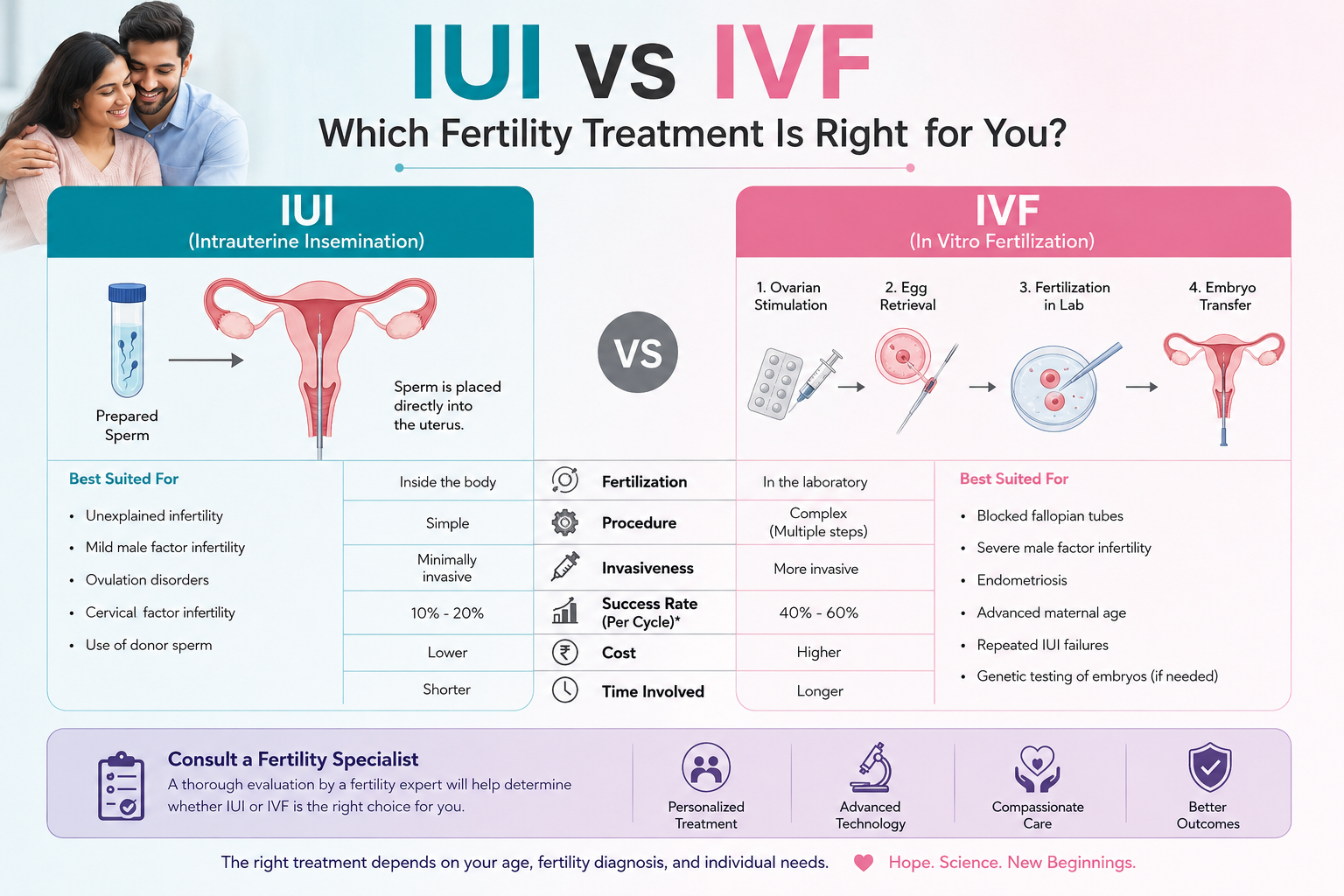
Intrauterine insemination, or IUI, involves placing prepared sperm directly into the uterus around the time of ovulation.
IUI may be considered for selected women, depending on factors such as age, ovarian reserve, tubal function and the severity of endometriosis.
IVF for Endometriosis
IVF for endometriosis may be recommended when natural conception or less invasive fertility treatments are unlikely to be successful or when other fertility factors are present.
During IVF, medications are used to stimulate the ovaries so that multiple eggs can develop. The eggs are collected and fertilized with sperm in a laboratory. The resulting embryo can then be transferred into the uterus.
IVF may be particularly considered when there are:
- Significant tubal problems
- Reduced ovarian reserve
- Advanced maternal age
- Previous unsuccessful fertility treatments
- Moderate or severe endometriosis
- Additional male-factor infertility
- Other factors affecting natural conception
The most appropriate treatment should be determined after a personalized fertility assessment.
Is IVF Treatment Successful With Endometriosis?
IVF can help many women with endometriosis achieve pregnancy, but success rates vary considerably between individuals.
Factors that can influence IVF outcomes include age, ovarian reserve, embryo quality, sperm factors, endometriosis severity and other medical conditions.
It is therefore better to discuss your individual chances with a fertility specialist rather than relying on a general success rate.
If you are searching for an IVF Treatment in BTM Layout, consider choosing a fertility centre where your medical history, ovarian reserve, endometriosis status and fertility goals can be evaluated before a treatment plan is recommended.
Can Endometriosis Come Back After Treatment?
Endometriosis can recur after treatment. Recurrence varies from person to person and depends on several factors.
Because endometriosis is a long-term condition, ongoing medical follow-up may be recommended, particularly if symptoms return.
For women who want to become pregnant, treatment planning should consider both symptom management and reproductive goals.
Lifestyle and Preconception Care
Lifestyle measures cannot cure endometriosis, but maintaining overall health can support general reproductive well-being.
Helpful measures may include:
- Maintaining a balanced diet
- Staying physically active as tolerated
- Maintaining a healthy weight
- Avoiding smoking
- Limiting alcohol when trying to conceive
- Taking prenatal vitamins as advised
- Managing stress and getting adequate sleep
- Attending recommended medical appointments
These measures should complement, not replace, medical fertility care.
Why Early Fertility Evaluation Matters
Women with endometriosis may sometimes delay fertility evaluation because they expect pregnancy to happen naturally. While many women do conceive without treatment, an early discussion with a fertility specialist can be useful when there are known fertility risk factors.
Age is an important factor in female fertility, and ovarian reserve may also be relevant in women with ovarian endometriosis or a history of ovarian surgery.
A fertility specialist can assess the situation and explain whether it is reasonable to continue trying naturally or whether fertility treatment should be considered.
Choosing a Fertility Specialist in BTM Layout
If you are looking for the Best Fertility Doctor in BTM Layout or a Best IVF Specialist in BTM Layout, consider factors beyond online rankings.
Look for a fertility team that provides:
- Individualized fertility assessment
- Experience managing endometriosis and infertility
- Appropriate diagnostic testing
- Clear explanation of treatment choices
- Discussion of benefits, risks and alternatives
- Access to appropriate assisted reproductive technologies
- Follow-up throughout the fertility journey
Similarly, when searching for the Best IVF Clinic in BTM Layout or Best Fertility Clinic in BTM Layout, choose a centre where treatment recommendations are based on your individual medical condition rather than a one-size-fits-all approach.
When Should You Consider IVF?
IVF is not necessary for every woman with endometriosis. The decision depends on several factors, including age, ovarian reserve, tubal function, duration of infertility, previous treatments and the severity of endometriosis.
A fertility specialist may recommend IVF when it offers a reasonable chance of achieving pregnancy compared with other options.
The goal should be to select the least invasive treatment that provides a reasonable chance of success while considering the patient’s age, fertility potential and reproductive goals.
Final Thoughts
Endometriosis and infertility can be challenging, but an endometriosis diagnosis does not mean that pregnancy is impossible. The condition can affect fertility through inflammation, adhesions, ovarian endometriomas and changes involving the reproductive organs.
Many women with endometriosis conceive naturally, while others may need fertility treatment. Depending on individual circumstances, treatment may include fertility medications, surgery, IUI or IVF for endometriosis.
If you are experiencing symptoms of endometriosis or have been trying to conceive without success, a fertility evaluation can help identify the factors affecting your chances of pregnancy. With appropriate diagnosis and individualized treatment planning, many women with endometriosis can work toward their goal of becoming parents.
If you are considering fertility treatment, consult a qualified fertility specialist to understand which option is most appropriate for your individual situation.
Frequently Asked Questions
1. Can endometriosis cause infertility?
Endometriosis can make it more difficult for some women to conceive, particularly when it affects the ovaries, fallopian tubes or causes pelvic adhesions. However, many women with endometriosis become pregnant naturally.
2. Can I get pregnant naturally with endometriosis?
Yes. Natural pregnancy is possible with endometriosis. Your chances depend on factors such as age, ovarian reserve, fallopian tube function, ovulation, sperm health and the severity of endometriosis.
3. Is IVF recommended for endometriosis?
IVF may be recommended for some women with endometriosis, particularly when there are tubal problems, reduced ovarian reserve, advanced reproductive age, additional infertility factors or previous unsuccessful treatments.
4. Does endometriosis affect pregnancy?
Endometriosis may be associated with certain pregnancy complications, but many women with endometriosis have healthy pregnancies. Your doctor can assess your individual risk and recommend appropriate monitoring.
5. Should I see a fertility specialist if I have endometriosis?
A fertility consultation can be useful if you have endometriosis and are planning pregnancy, particularly if you have known ovarian endometriomas, previous pelvic surgery, tubal problems or difficulty conceiving.
6. What fertility treatments are available for endometriosis?
Depending on individual circumstances, options may include expectant management, ovulation-related treatments, IUI, surgery in selected cases and IVF.
7. Does endometriosis always require IVF?
No. IVF is not required for every woman with endometriosis. Treatment depends on age, ovarian reserve, tubal function, severity of disease and other fertility factors.
8. Can endometriosis return after treatment?
Yes. Endometriosis can recur after treatment. Regular follow-up and appropriate management can help address recurring symptoms and reproductive concerns.
9. When should I consult the Best IVF Doctor in BTM Layout?
If you have endometriosis and are having difficulty conceiving, or if you have known fertility risk factors, consulting a qualified fertility specialist can help determine whether further evaluation or treatment is appropriate.
10. Where can I find IVF treatment in BTM Layout?
Women looking for IVF Treatment in BTM Layout should consider a fertility centre that offers comprehensive evaluation and individualized treatment planning for conditions such as endometriosis.
